
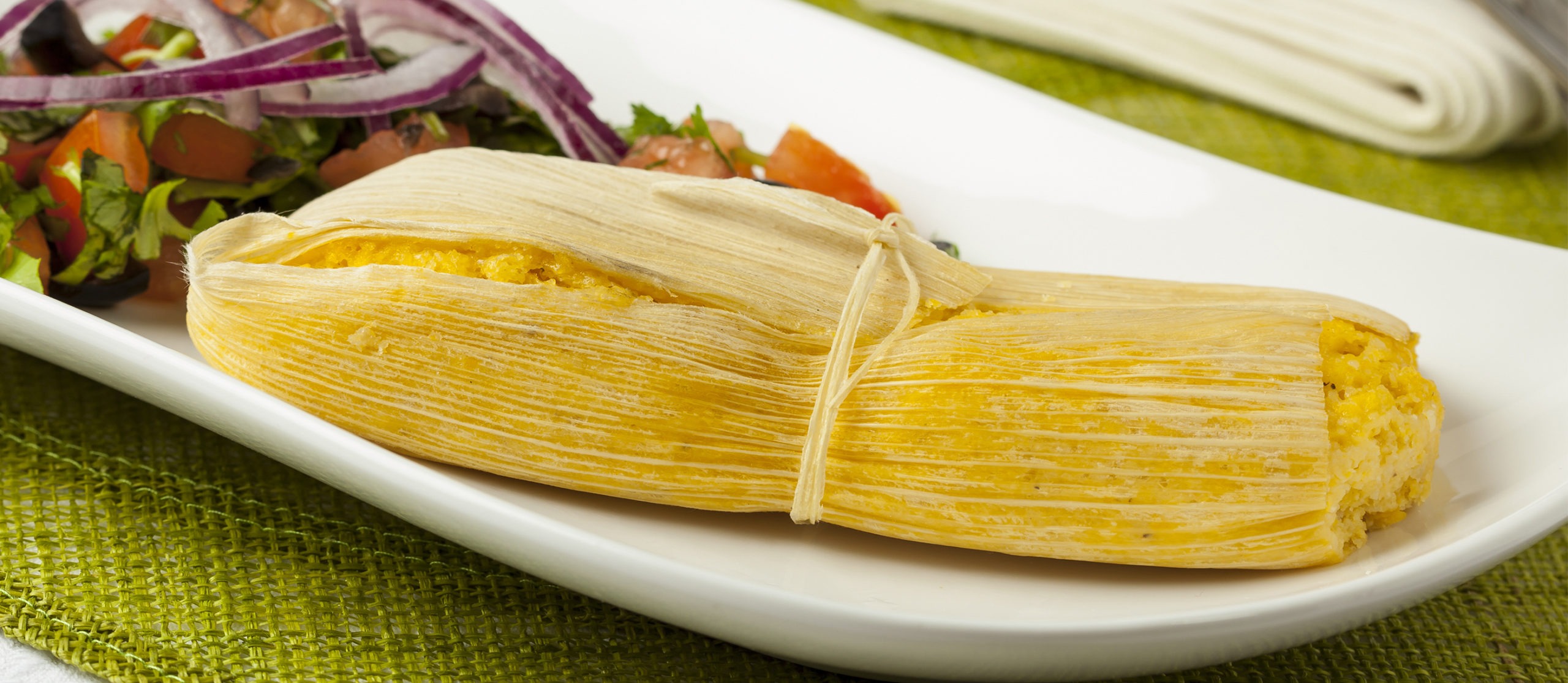
Ecuador’s culinary traditions are deeply tied to the land, and few foods capture that connection better than its envueltos—foods wrapped in leaves and steamed to perfection. Often compared to tamales, Ecuadorian tamals vary widely by region, ingredients, and cultural roots. From the Andes to the Amazon and coastal plains, each version tells a story of geography, history, and community.
Why Tamals Matter in Ecuador
Tamales and their regional relatives represent more than food — they embody:
- Indigenous heritage and pre-Columbian cooking methods
- Regional biodiversity through local ingredients
- Family tradition, often prepared in groups
- Sustainability, using natural leaf wrappers
Each bite reflects centuries of cultural blending, from Indigenous techniques to Spanish influences and African coastal traditions.
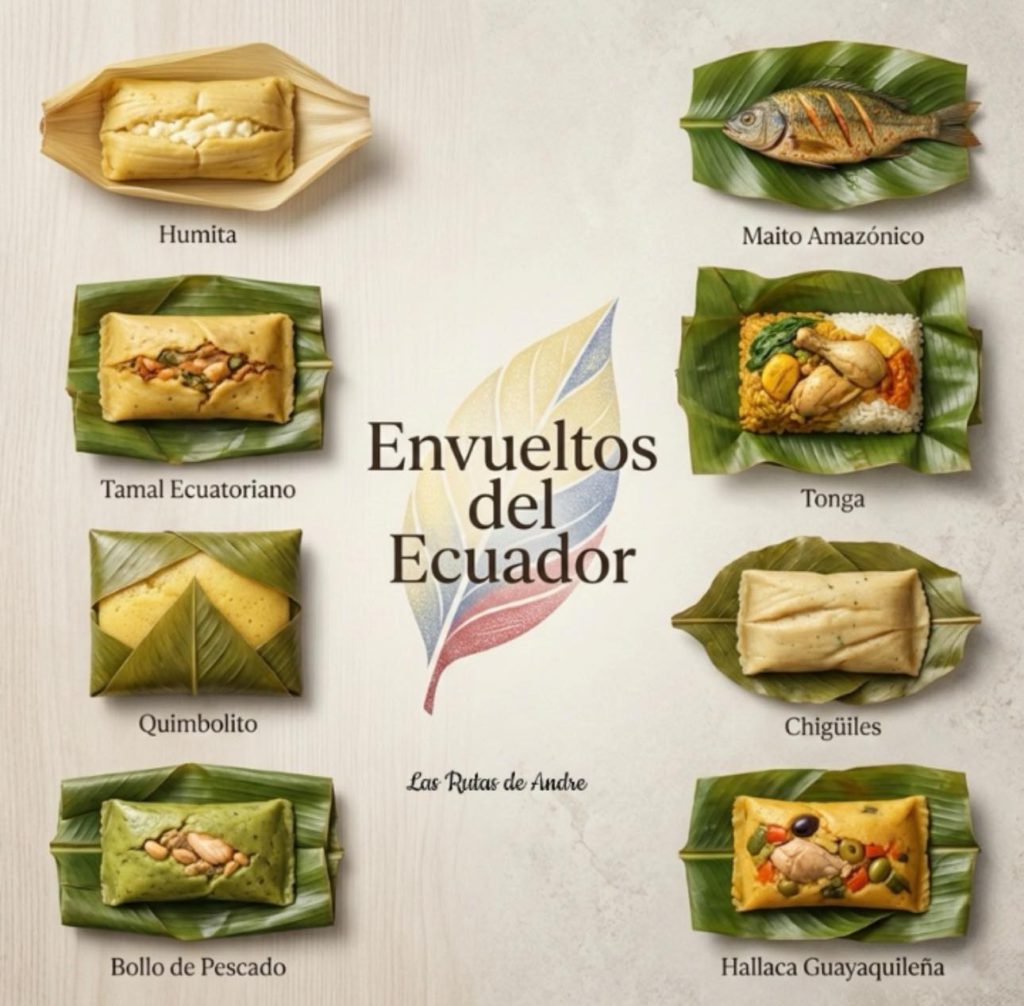
Humitas
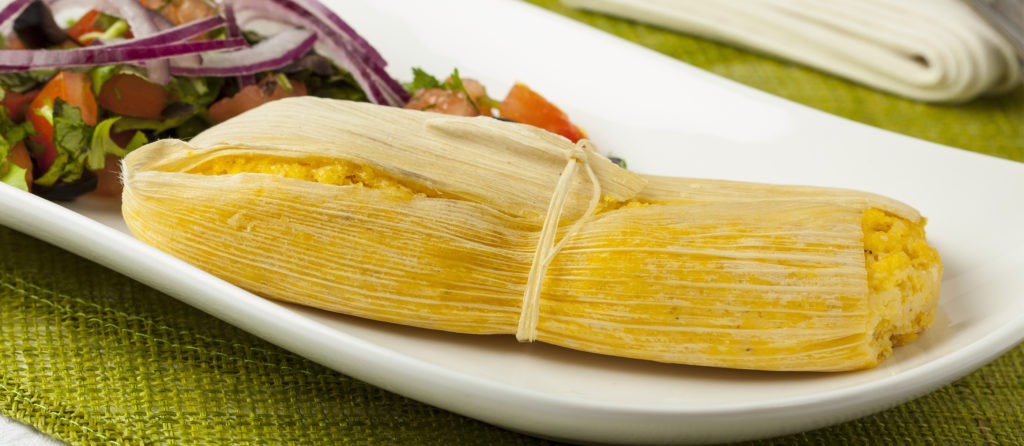
Humitas are among the oldest Andean preparations, made from fresh ground corn mixed with cheese, eggs, and butter. Wrapped in corn husks and steamed, they have a soft, slightly sweet texture.
Where you’ll find them: Highlands and southern Ecuador
Flavor profile: Creamy, mildly sweet, comforting
Best time to eat: Breakfast or afternoon snack
Ecuadorian Tamal
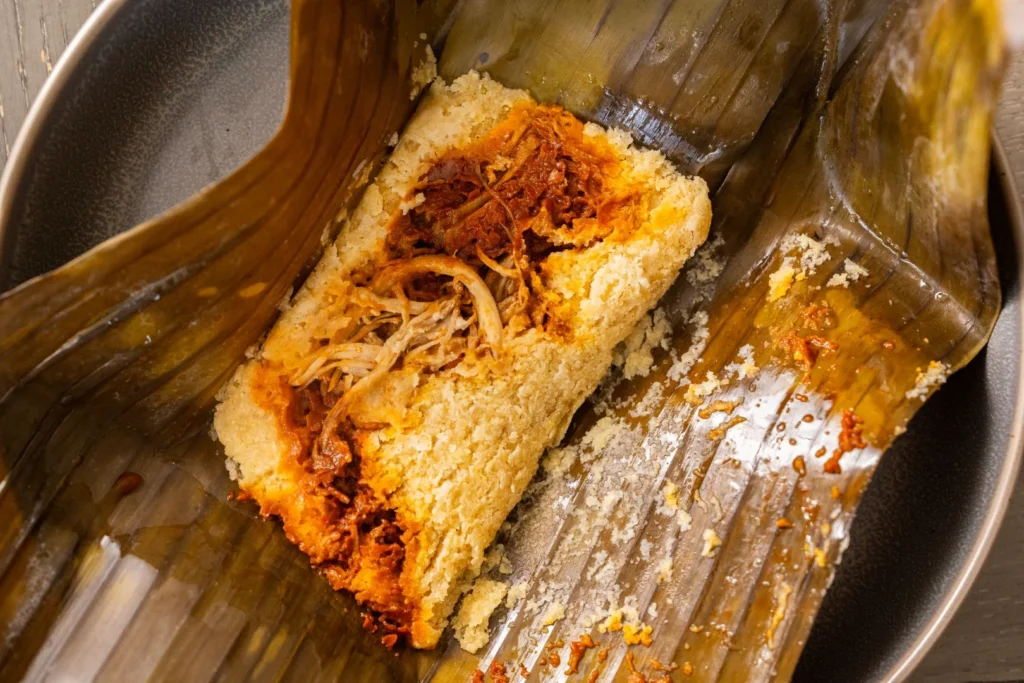
Unlike Mexican tamales, Ecuadorian tamales use a corn masa enriched with lard or butter and are filled with chicken or pork, vegetables, raisins, peanuts, and spices. They are wrapped in banana leaves, giving them a rich aroma.
Where you’ll find them: Nationwide
Flavor profile: Savory, aromatic, slightly sweet from raisins
Occasions: Holidays, family gatherings, and Sunday breakfasts
Quimbolitos
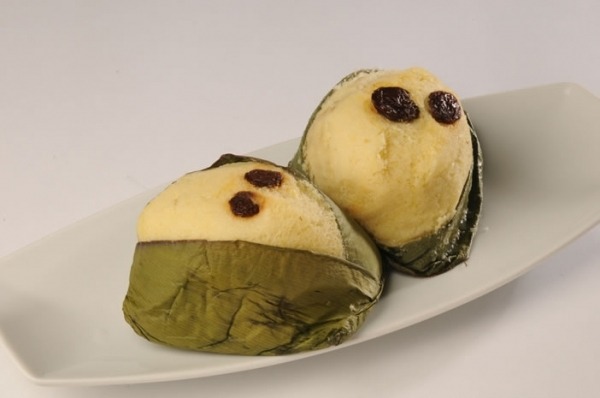
Quimbolitos are the dessert cousin of tamales. Made from corn flour, eggs, sugar, and raisins, they are wrapped in achira leaves and steamed.
Where you’ll find them: Sierra region
Flavor profile: Light, fluffy, sweet
Perfect pairing: Coffee or hot chocolate
🐟 Bollo de Pescado
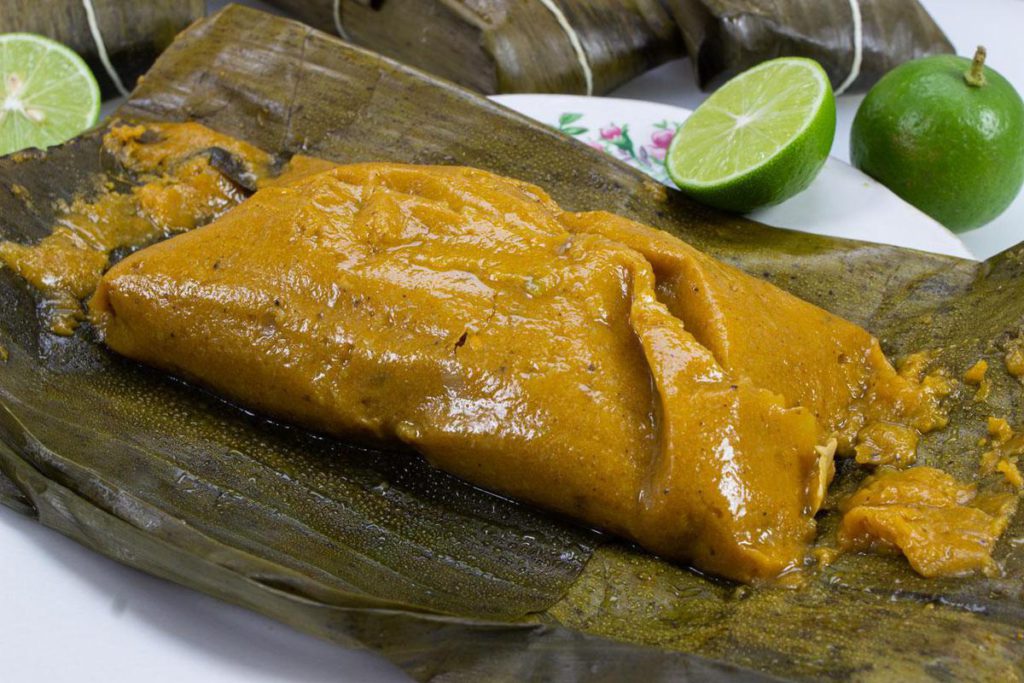
My favorite is the Bollo de Pescado. From Ecuador’s coast comes this plantain-based bollo filled with seasoned fish and peanuts. The mashed green plantain dough gives it a hearty texture.
Where you’ll find them: Coastal provinces
Flavor profile: Savory, slightly nutty, rich
Cultural note: Popular among fishing communities
🐟 Maito Amazónico
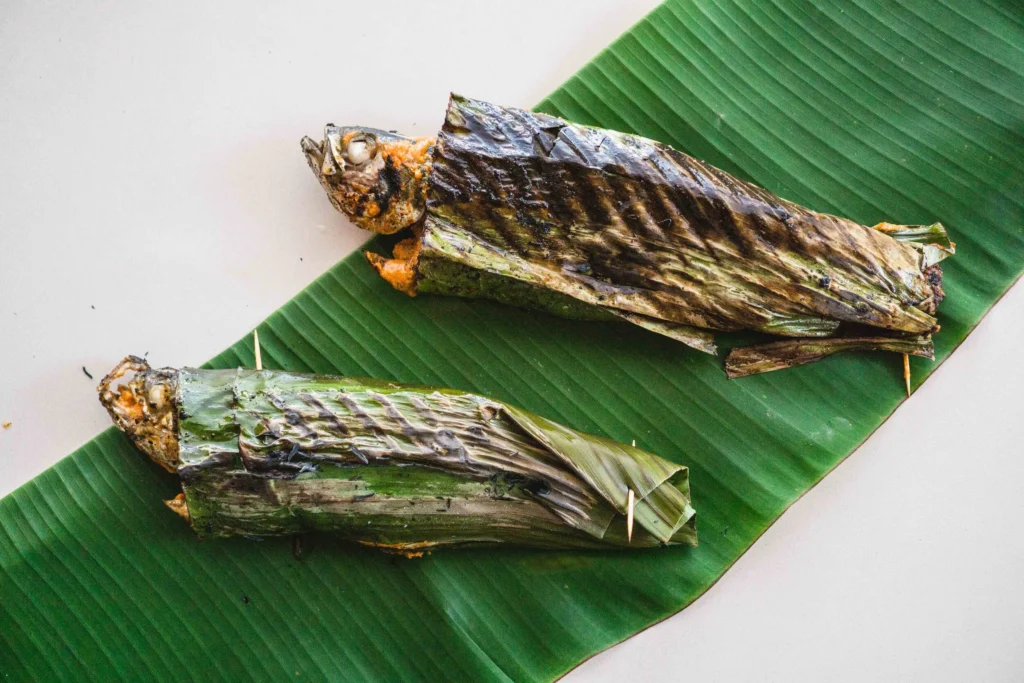
In the Amazon, fish is wrapped in bijao leaves and grilled rather than steamed. While not masa-based, it shares the tamal tradition of leaf-wrapped cooking.
Where you’ll find it: Amazon region
Flavor profile: Smoky, fresh, herbaceous
Cooking method: Fire-roasted in leaves
🍗 Tonga
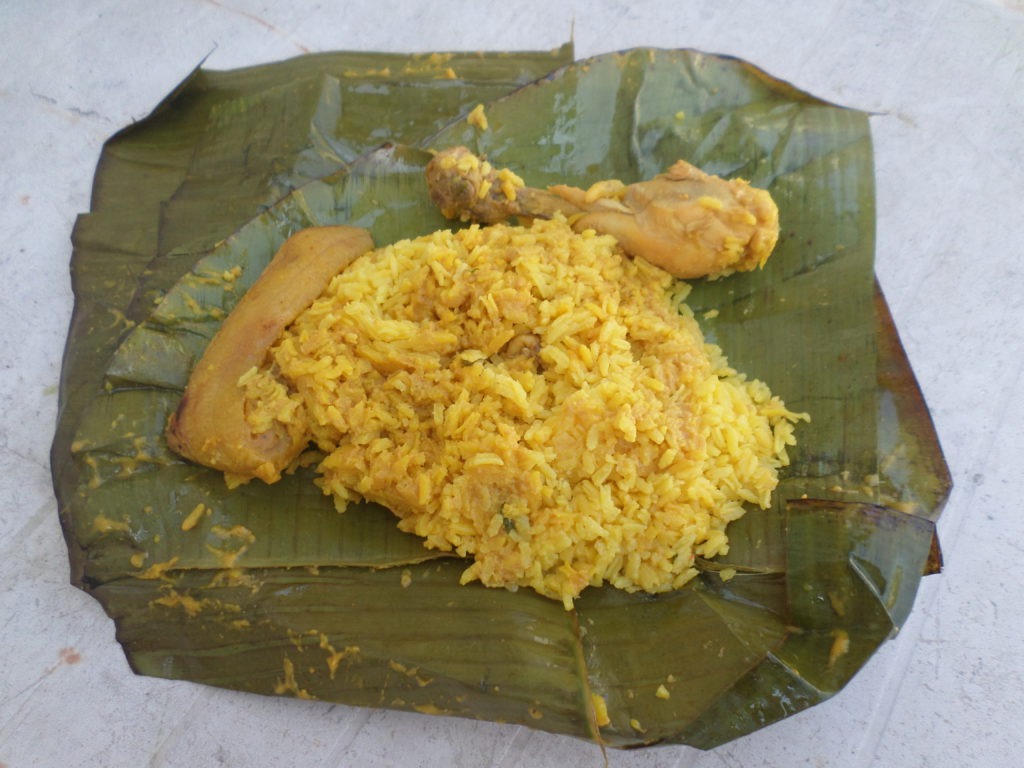
A complete meal wrapped in banana leaves, the tonga includes rice, chicken, fried plantains, and peanut sauce.
Where you’ll find it: Coastal Ecuador
Flavor profile: Hearty and comforting
Tradition: Ideal travel meal for long journeys
🌽 Chigüiles
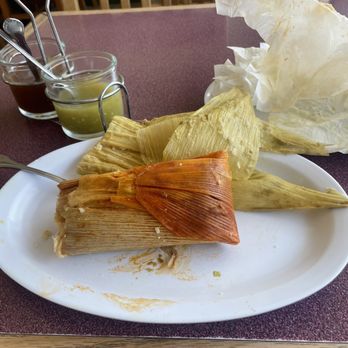
These small corn dumplings are wrapped in leaves and steamed, often served with cheese or eggs.
Where you’ll find them: Southern highlands
Flavor profile: Mild and earthy
Typical use: Breakfast accompaniment
🎉 Hallaca Guayaquileña
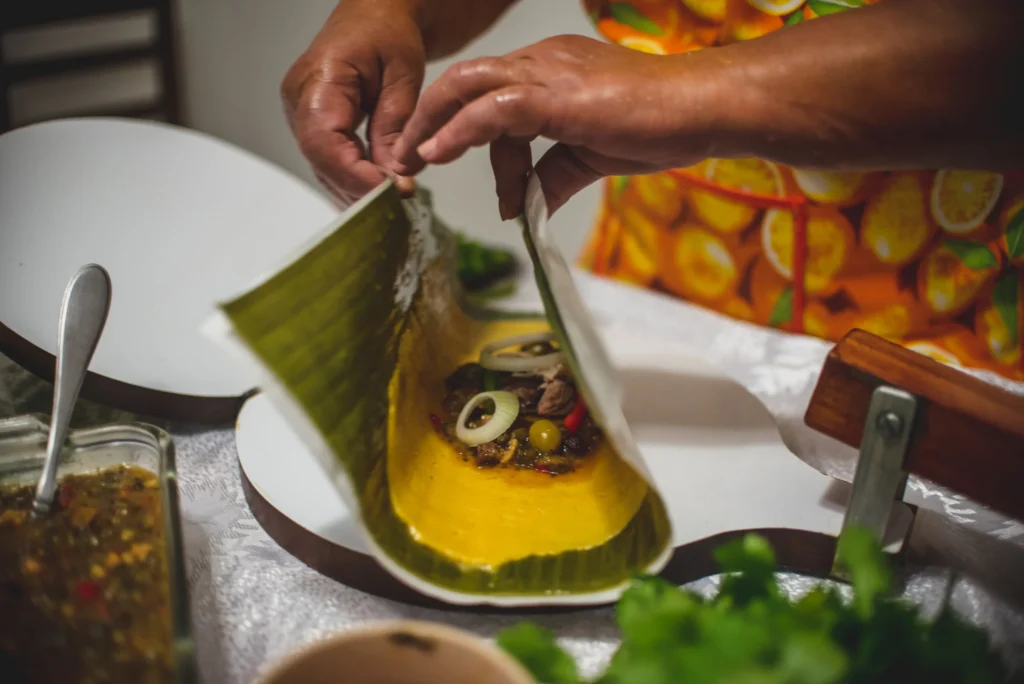
Influenced by Caribbean and Venezuelan traditions, this festive tamal includes meats, olives, raisins, and vegetables in richly seasoned corn dough.
Where you’ll find it: Guayaquil and coastal regions
Flavor profile: Complex, festive, savory-sweet
Occasions: Christmas and celebrations

Jake is originally from Sydney and co-founded Ecuador Eco Adventure with Wlady back in 2006. Together they built one of the country's most prominent climbing and hiking agency that is number one in summit attempts of Chimborazo, Cotopaxi, Antisana, and Cayambe. Ecuador Eco Adventure has since been recommended in National Geographic Adventure, The Rough Guide, and the Lonely Planet.

0 Comments